
Contact Us
1300 76 78 02The Future of Commercial Real Estate: Technology & Sustainability Trends 1505
Published on December 22, 2025
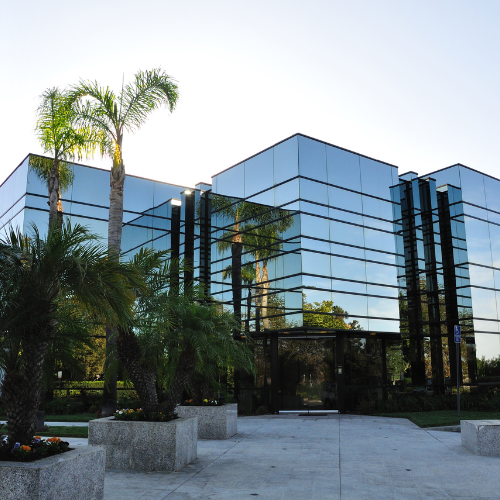
The Australian commercial real estate landscape is evolving rapidly. Investors and operators are no longer just evaluating location, tenants, or rental yields. Technology adoption and sustainability practices are increasingly critical in shaping asset value, tenant demand, and long-term returns.
At CRE Brokers, we’ve observed how technology and environmental initiatives are driving a new wave of innovation in commercial property — from office spaces to mixed-use developments, and from hospitality assets to retail precincts. In this article, we highlight key trends and strategies that CRE professionals and investors should know heading into 2026.
1. PropTech: The Digital Revolution in Property
Property technology, or PropTech, is reshaping how properties are managed, leased, and marketed. Tools like AI-based property valuation, occupancy sensors, and smart building automation are no longer optional — they are expected by tenants and investors alike.
Implications for investors:
Enhanced operational efficiency and lower management costs
Data-driven insights for pricing, maintenance, and tenant engagement
Competitive advantage in attracting tenants seeking “smart” workspaces
2. Sustainability & ESG: From Buzzword to Boardroom Priority
Sustainability is no longer just a marketing angle — it directly impacts asset value and investor appeal. Green building certifications (e.g., NABERS, Green Star) and energy-efficient retrofits can lead to:
Higher tenant retention
Increased rental premiums
Lower long-term operational costs
Investors increasingly evaluate properties based on environmental, social, and governance (ESG) credentials, making sustainability a core part of due diligence.
3. Hybrid Work & Flexible Office Demand
The rise of hybrid work continues to transform office occupancy and design. Commercial buildings now compete not just on location but on flexible layouts, collaborative spaces, and technology-enabled environments.
Key considerations:
Adaptive spaces allow tenants to scale up or down quickly
Smart building management ensures energy efficiency despite fluctuating occupancy
Integration of wellness and air-quality technologies boosts tenant satisfaction
4. Retail & Mixed-Use Transformation
Retail real estate is no longer just a shopping destination; it is becoming experience-led and tech-enabled. Integrating technology for customer engagement, logistics, and footfall analytics is essential for keeping tenants profitable and investors secure.
Mixed-use developments that combine office, retail, and residential units with sustainable design principles are increasingly attractive to investors seeking diversified income streams.
5. Investment Takeaways for 2026
Operators and investors who embrace technology and sustainability will have a competitive edge in the next market cycle. Key strategies include:
Prioritising assets with smart-building infrastructure
Seeking properties with green certifications or upgrade potential
Leveraging data and analytics for tenant acquisition and retention
Considering mixed-use or flexible spaces that meet evolving market demands
Conclusion
Technology and sustainability are no longer optional in commercial real estate — they are determinants of asset performance and market competitiveness. Investors and operators who integrate these trends into acquisition, management, and development strategies will be best positioned to thrive in 2026 and beyond.
CRE Brokers is committed to guiding clients through these emerging trends, ensuring investments are not just profitable but future-ready.